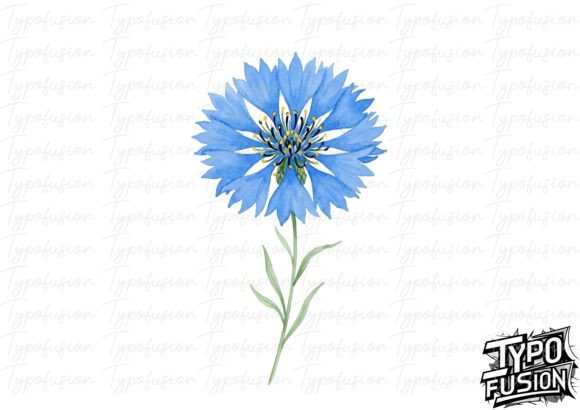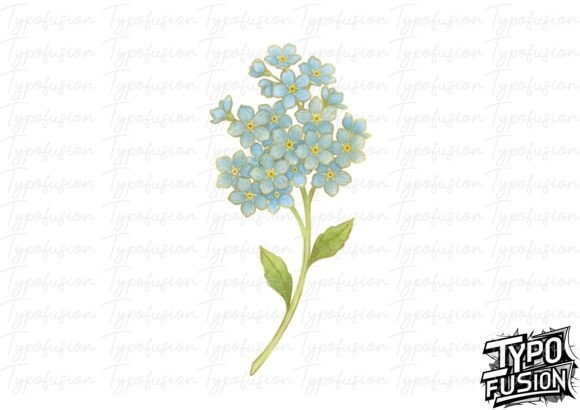
Forget Me Not Clipart
Forget Me Not Clipart refers to digital illustration files depicting the delicate, five-petaled Myosotis flower—often in soft blues, pinks, or whites—with botanical accuracy and stylistic versatility. These are not photographs or vector illustrations in editable formats like SVG or AI, but high-resolution PNG files designed for immediate use in both digital and print-based creative workflows.
Each file features a transparent background, 300 DPI resolution, and no watermarks. They are delivered as instant digital downloads—no physical items shipped—and require no additional editing to isolate the subject from its background. This makes them especially suited for users who need ready-to-place elements without design software expertise or time investment in masking or cleanup.
Why Consider Forget Me Not Clipart?
People often seek this type of clipart when working on personal or commercial projects where floral motifs support tone, theme, or aesthetic cohesion. The forget-me-not carries longstanding symbolic associations—remembrance, fidelity, and enduring connection—making it a thoughtful choice for wedding stationery, memorial keepsakes, or heartfelt greeting cards. Its petite scale and gentle form also lend themselves well to layered layouts in scrapbooking, junk journaling, and mixed-media art.
From a practical standpoint, the combination of transparency and print-ready resolution means these files integrate cleanly into diverse production pipelines: sublimation printing on mugs and tumblers, direct-to-garment printing on t-shirts and tote bags, heat-transfer vinyl for stickers and phone cases, and even large-format wall art prints. For creators using print-on-demand platforms, consistent output quality across product types is essential—and 300 DPI at full size supports that reliability.
Key Benefits and Realistic Expectations
The primary benefit lies in immediacy and compatibility. Because the files are PNGs with alpha channels, they drop seamlessly into design tools like Canva, Adobe Photoshop, Affinity Designer, or Cricut Design Space. There’s no need to adjust color profiles, remove backgrounds, or resample for clarity—tasks that can delay progress or introduce quality loss.
However, it’s important to recognize tradeoffs. PNGs are raster-based, meaning they do not scale infinitely without pixelation. While 300 DPI supports crisp output at typical craft and stationery sizes (e.g., 4×6″ greeting cards, 5×7″ invitations), enlarging beyond original dimensions—say, to poster size—may reveal soft edges or loss of detail. Users requiring extreme scalability (e.g., for billboards or large signage) would be better served by vector alternatives.
Additionally, these files offer fixed visual interpretations. Each image reflects a specific artistic style—whether hand-drawn, watercolor-textured, or clean-lined—and does not include editable layers or customizable elements (e.g., adjustable petal count, color swatches, or shadow intensity). If precise control over composition or color matching is critical—for brand-aligned merchandise, for example—users may need supplemental editing or alternative sources.
Situations Where Forget Me Not Clipart Is a Strong Fit
This clipart works well when the goal is efficiency and aesthetic harmony over granular customization. It suits crafters producing small-batch physical goods, educators designing classroom materials, hobbyists assembling memory books, or independent sellers launching seasonal collections on platforms like Etsy or Redbubble.
For example, someone preparing wedding invitations may appreciate how easily a forget-me-not motif can frame monograms or separate sections of text—without needing to source, license, and edit multiple assets. Similarly, a scrapbooker documenting a spring-themed album benefits from cohesive floral accents that maintain consistent line weight and tone across pages.
Because the files are royalty-free for both personal and commercial use (subject to the seller’s license terms), they also support low-risk experimentation. A designer testing a new mug design line can apply the same clipart across several mockups before committing to production—reducing upfront cost and complexity.
When Alternatives May Be Worth Considering
Alternatives become relevant when project requirements extend beyond static placement. If you’re developing a logo or branding system, scalable vector graphics (SVG or EPS) allow precise resizing and path editing—capabilities PNGs lack. Likewise, designers building reusable templates in Canva or Figma may prefer layered PSD files or SVGs that support color overrides and responsive alignment.
Licensing is another consideration. While most Forget Me Not Clipart packages permit commercial use, scope varies: some restrict use on physical products sold via third-party fulfillment services; others prohibit resale of unaltered digital files. Always review the included license before applying to print-on-demand platforms, especially if scaling to higher-volume sales.
Finally, accessibility matters. Raster clipart doesn’t inherently support screen reader interpretation or dynamic contrast adjustment. For public-facing digital projects—such as educational websites or inclusive marketing materials—complementary alt text and semantic HTML remain necessary, regardless of image quality.
Making an Informed Decision
To determine whether Forget Me Not Clipart aligns with your needs, begin by clarifying your output format and scale. If your work centers on printable paper goods, fabric transfers, or sublimation blanks at standard sizes, PNGs at 300 DPI meet technical expectations reliably. If your workflow includes frequent resizing, multi-color variants, or integration into automated design systems, explore vector or layered source files instead.
Consider your editing comfort level. Users unfamiliar with photo editing tools will find transparent PNGs more approachable than raw vectors requiring anchor-point manipulation. Conversely, experienced designers may prefer editable sources to fine-tune stroke width, gradient direction, or texture overlay.
Lastly, assess volume and variation needs. A single clipart file supports focused applications—a single invitation suite, one sticker sheet—but broader campaigns often benefit from coordinated sets (e.g., stems, buds, seed pods, or companion florals) that share stylistic continuity. Check whether the package includes related elements or if expansion requires purchasing additional bundles.
In summary, Forget Me Not Clipart serves a specific niche: accessible, print-ready floral imagery for hands-on creators prioritizing speed, consistency, and symbolic resonance. It is neither a universal solution nor a substitute for custom illustration—but for many practical applications, it offers a balanced intersection of quality, usability, and intent.