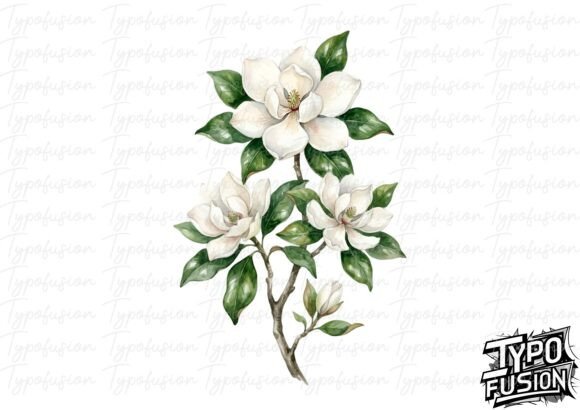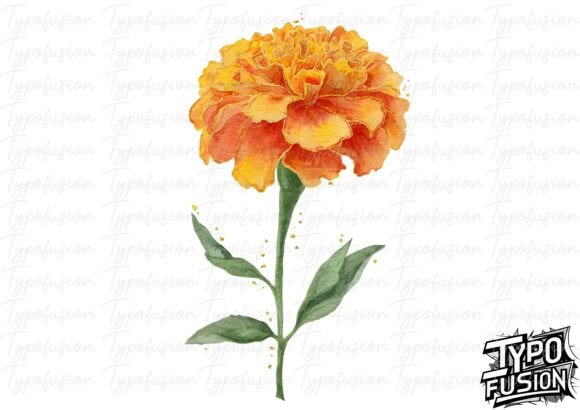
Watercolor Marigold Flower PNG
Marigolds carry warmth, resilience, and quiet celebration — qualities that translate beautifully into design. A Watercolor Marigold Flower PNG captures that spirit with soft pigment blooms, subtle granulation, and organic edges. Unlike flat vector illustrations or rigid stock photos, this file preserves the gentle imperfections of real watercolor: delicate washes, faint paper texture hints, and layered petal depth — all on a fully transparent background. At 300 DPI, it’s built for print without pixelation, yet remains crisp and scalable for digital use.
Why This File Fits Real Creative Work
This isn’t just another floral clipart file. It’s a practical tool shaped by how creators actually work. The transparency means no time wasted removing backgrounds in Photoshop or Canva. The resolution ensures sharpness whether you’re printing a 5×7 wedding invitation or scaling up to an 18×24 wall art print. And because it’s delivered as an instant digital download — no shipping, no waiting, no watermarks — you can start designing the moment your order confirms.
Creative Uses That Go Beyond Decoration
A single Watercolor Marigold Flower PNG becomes far more than a standalone element. Its versatility lies in how easily it integrates across formats and intentions:
- Greeting cards & invitations: Layer it over hand-lettered text or muted linen textures to evoke warmth without clutter. Try rotating duplicates at slight angles to build a loose, hand-placed bouquet on a save-the-date card.
- Scrapbooking & junk journaling: Print it on kraft paper or vellum, then cut out petals individually. Use them to frame handwritten journal entries about growth, transition, or seasonal change — themes marigolds naturally support.
- Print-on-demand products: For mugs, tumblers, or tote bags, pair the flower with minimalist sans-serif type (e.g., “Rooted in Joy” or “Grow Wild”) — the contrast between soft watercolor and clean typography creates visual balance and brand cohesion.
- Sublimation designs: Because the file is high-resolution and edge-accurate, it holds detail even when stretched across curved surfaces like ceramic mugs or polyester cushions. Test placement first by simulating wraparound in your design software — marigolds near seams or handles add intentionality, not accident.
- Educational materials: Teachers and curriculum designers use it in printable botany worksheets, nature-themed reading logs, or classroom banners. Its realistic-but-stylized look supports learning without overwhelming young eyes.
Adapting for Different Audiences and Goals
How you use the Watercolor Marigold Flower PNG shifts meaningfully depending on who you’re designing for — and why:
If you’re a small business owner launching a line of herbal teas or natural skincare, this flower signals botanical authenticity. Place it subtly in a corner of your label design or as a repeating motif on tissue paper — consistent but never dominant. Avoid pairing it with overly ornate fonts; let its softness speak for itself.
For freelance designers building client branding packages, treat it as a flexible asset within a larger system. Use it once as a hero graphic on a website banner, then simplify it into a monochrome line-drawing version for social media icons. That kind of intentional variation builds recognition without repetition.
Bloggers and content creators can embed it directly into Pinterest graphics or email headers — especially for posts about gardening, mindful living, or seasonal creativity. Resizing it to 20–30% of the canvas width keeps focus on your message while adding visual warmth.
Styling Tips for Clarity and Consistency
Even expressive elements benefit from thoughtful restraint. Here’s how to keep results effective:
- Limit color overlays: If recoloring the marigold digitally, stick to one adjustment layer — either hue/saturation or selective color — rather than stacking multiple filters. Over-editing dulls the watercolor’s natural luminosity.
- Mind the spacing: When arranging multiple flowers, leave breathing room. Crowding diminishes their handmade feel. Try aligning stems along an invisible diagonal for dynamic flow — especially effective in greeting card layouts.
- Match texture intention: Pair it with substrates that complement, not compete: matte paper stocks, uncoated cardstock, or fabric-based mockups. Avoid glossy finishes unless you’re intentionally creating contrast (e.g., a vibrant marigold against sleek black packaging).
- Test scale early: Before finalizing a t-shirt or phone case design, preview the file at actual size on device mockups or printed swatches. What reads beautifully at 8 inches wide may vanish at 2 inches — especially fine petal details.
Real Projects, Not Just Possibilities
Consider these grounded examples — all built around the same Watercolor Marigold Flower PNG:
- A freelance stationery designer created a set of six “Seasonal Gratitude” notecards. Each features one marigold, rotated and resized uniquely, paired with a short phrase (“What warmed me this month,” “Where I felt rooted”). The consistency of the core element ties the set together; the variation keeps each card distinct.
- An educator developed a printable “Garden Journal” for elementary students. She used the marigold as a header graphic on each page, then added simple checkboxes and drawing prompts underneath — turning observation into active learning.
- A small-batch candle maker applied the flower to her product tags using a foil-stamp effect in mockup software. The result? A tactile impression of craft and care — even before customers hold the physical tag.
None of these required advanced illustration skills. They relied instead on clear intent, smart file use, and attention to audience context.
Getting Started Is Simple — Staying Inspired Is Intentional
You don’t need a grand concept to begin. Open the PNG file. Drop it into your preferred tool — whether that’s Adobe Illustrator for precise layout, Canva for quick social graphics, or Procreate for hand-refined edits. Resize. Rotate. Layer. Then ask: What feeling does this need to support? Calm? Celebration? Growth? Clarity?
The Watercolor Marigold Flower PNG works because it carries substance without demanding attention. It invites collaboration — with your text, your colors, your purpose — rather than dominating it. Use it as a starting point, not an endpoint. Let it soften a bold headline, anchor a minimalist layout, or add quiet richness to functional design. Its strength isn’t in standing alone, but in helping your ideas land with sincerity and grace.